New Emissions Rules Are Driving Up Box Truck Financing Costs: What You Need to Know

The landscape for acquiring, upgrading, and operating box trucks is shifting rapidly as regulatory pressure forces a transition toward newer, cleaner equipment.
What changed
The Environmental Protection Agency (EPA) has finalized updated greenhouse gas emissions standards for heavy-duty vehicles, a move that effectively raises the barrier to entry for older, non-compliant equipment EPA. While these rules are designed to modernize the trucking industry’s environmental footprint, they are accelerating the obsolescence of older fleets, forcing independent operators to consider upgrades sooner than they might have planned.
How it works
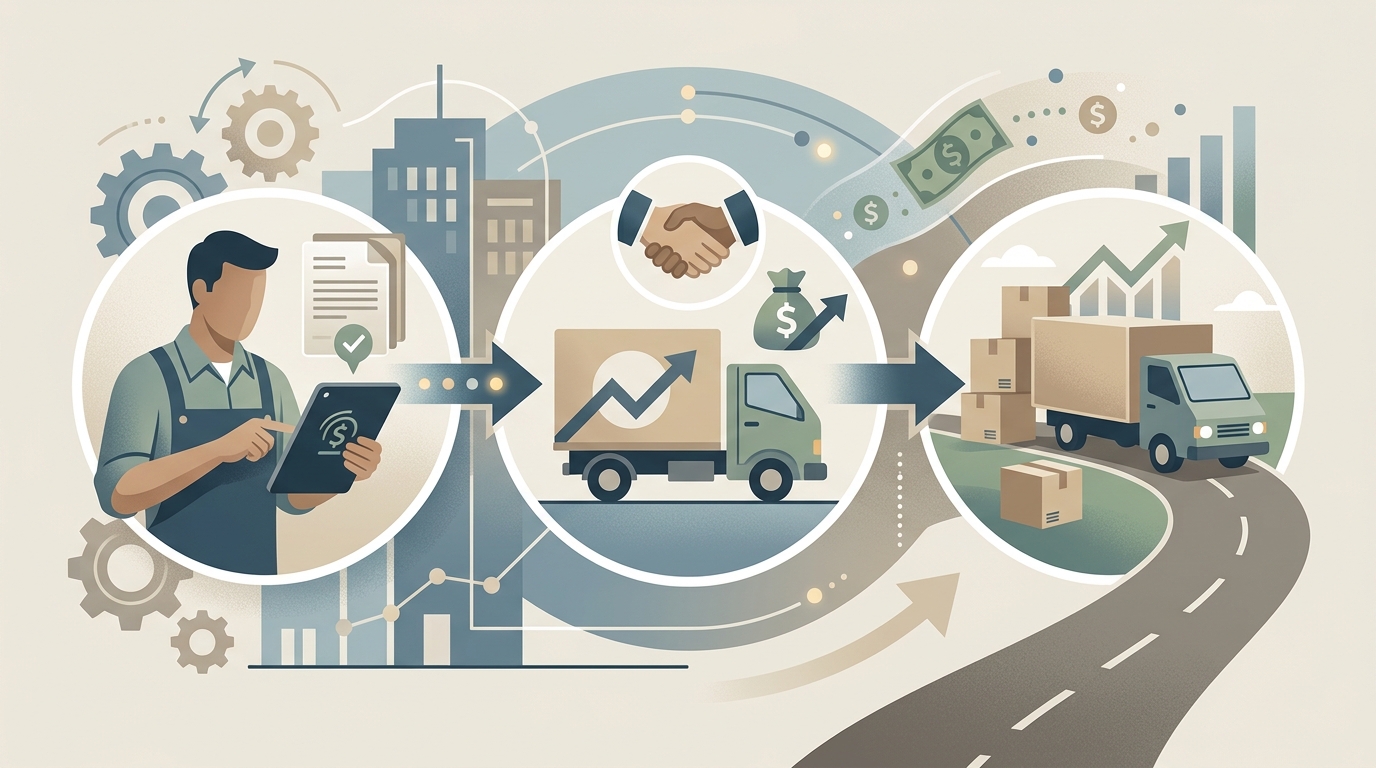
Compliance in the heavy-duty sector is no longer just about engine performance; it is now tied directly to the cost of financing that equipment. According to Commercial Carrier Journal, this shift has created a tangible financial ripple effect: small fleets are reporting that equipment financing requirements have jumped by 15-20% specifically to cover the costs of the new regulatory technology mandated by these standards CCJ. Both the EPA and CCJ agree that these standards create a significant capital barrier, though they differ in focus—the EPA emphasizes the long-term environmental necessity, while CCJ highlights the immediate, often burdensome, capital requirements for independent carriers attempting to stay operational.
Who it hits
These mandates disproportionately impact independent owner-operators and small business owners running older, legacy box trucks. Because the barrier to entry is rising, those who rely on purchasing used, older equipment to keep startup or expansion costs low are finding that the price gap between old and new is widening. Smaller operations with limited access to large-scale capital are finding it increasingly difficult to absorb these sudden financing hikes without impacting their daily operational liquidity.
Why this matters for your business
For an independent contractor or a small delivery business, these regulations aren't just "green" policy—they are a bottom-line issue. A 15-20% increase in financing requirements effectively means you need more cash on hand for down payments, or you face higher monthly debt service costs to get into a compliant truck. If you are operating an older rig, you need to calculate whether the cost of potential repairs and future compliance limitations outweighs the cost of financing a newer, mandated-compliant vehicle today.
Timing is everything in this environment. Because lenders are adjusting their risk models to account for these compliance costs, you may find that qualification requirements are tightening. Being proactive about your financing options—before your current truck reaches its mechanical or regulatory breaking point—is now a critical strategy to protect your cost-per-mile and overall profit margins.
Bottom line
Rising emissions standards are effectively pushing the cost of compliant equipment 15-20% higher, making access to capital more important than ever for small fleets. If you need to upgrade your rig, exploring financing options now can help you beat the rising costs associated with future regulatory shifts.
Check your financing rates and see if you qualify for a compliant box truck today.
Disclosures
This content is for educational purposes only and is not financial advice. boxtruckloansnow.com may receive compensation from partner lenders, which may influence which products are featured. Rates, terms, and availability vary by lender and applicant qualifications.
What business owners say
4.9-
This company was lightning fast and the experience was amazing. Thank you, Dan — you're a real pro!
-
Good service Joseph Krajewski is the best agent ever. He provided excellent service. I strongly recommend working with him if you have the opportunity.
-
They gave me a chance when nobody else would. I'm very satisfied.
Frequently asked questions
Are emissions standards affecting used box trucks?
Yes. Recent EPA standards effectively phase out older, non-compliant equipment, making newer, cleaner trucks the primary option for fleet upgrades.
How much more expensive is financing a compliant truck?
Small fleets are reporting that equipment financing requirements have jumped by 15-20% to account for the necessary regulatory technology in newer vehicles.
Why is it getting harder for independent owner-operators?
The combination of higher upfront equipment costs and increased financing requirements creates a higher barrier to entry, specifically impacting small, independent operators.
- Box Truck Financing Company Profile: How We Fund Small Businesses in 2026 (14/09/2026)
- How to Read Box Truck Loan Terms: Decode the Fine Print in 2026 (12/09/2026)
- How to Download and Fill Out Your Box Truck Loan Application in 2026 (12/09/2026)
- Mastering the MCP: Complete Box Truck Financing Guide for 2026 (08/09/2026)
- How to Use the Horizon Dashboard for Box Truck Financing in 2026 (12/08/2026)
- The Box Truck Log Viewer: Track and Analyze Your Financing in 2026 (12/08/2026)
- How to Fix 404 Redirects on Your Box Truck Financing Site – A Practical Guide for 2026 (12/08/2026)
- How to Use AWS IAM Temporary Credentials for Box Truck Financing Operations in 2026 (08/08/2026)